The project is now called OpenClaw; the official site is OpenClaw.ai. It is widely known in the press as Moltbot and was originally released under the name Clawdbot.
Unlike other solutions, OpenClaw (formerly Moltbot, previously Clawdbot) runs directly on your computer or server. This remarkable project lets you connect your assistant to several messaging platforms you already use, including WhatsApp, Telegram, Discord, Slack, Signal, and iMessage. What truly sets this assistant apart is not some trendy technology but its practical capabilities: it remembers your preferences and past conversations over time.
In this complete guide, we will take you from zero to a fully functional OpenClaw instance in under 30 minutes. You will learn why this self-hosted solution deserves your attention and how to install it easily to turn large language models (LLMs) into a genuine personal companion that is always on hand.
Meet OpenClaw (formerly Moltbot, previously Clawdbot)
What OpenClaw is and why it is getting so much attention
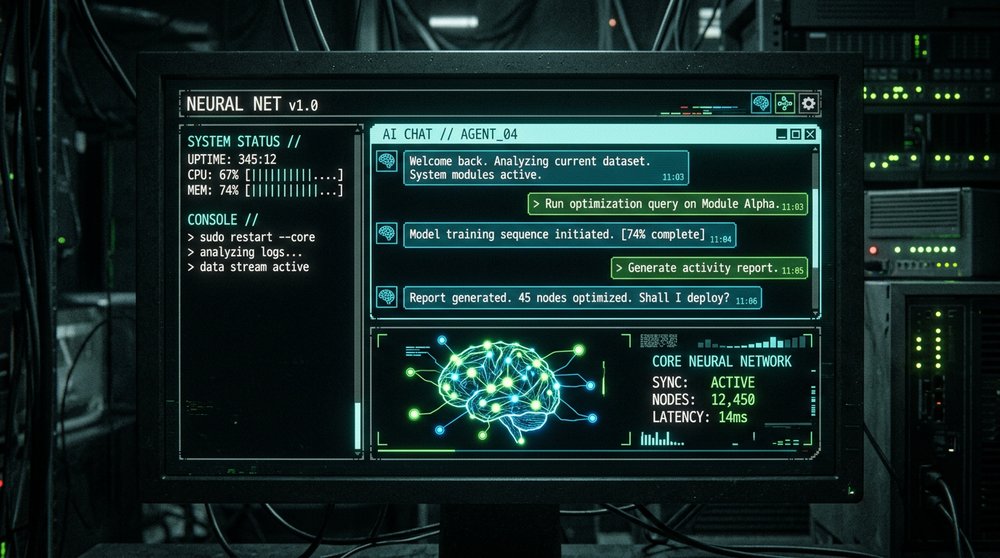
OpenClaw (often called Moltbot in the press, formerly Clawdbot) represents a new generation of personal AI assistants. This open-source project lets you connect advanced language models directly to your favorite messaging apps. It quickly gained popularity thanks to its ability to deliver a personalized experience without compromising data privacy.
What really distinguishes OpenClaw from other assistants is its decentralized architecture. Instead of sending your conversations to external servers, all processing happens locally on your machine. This approach ensures that your interactions stay private and under your exclusive control.
What you can do with OpenClaw
The possibilities OpenClaw offers are impressive and varied. You can use it to:
- Get instant answers to your questions through WhatsApp, Telegram, or Discord
- Summarize long articles or documents
- Set up smart reminders that understand context
- Generate and refine creative content
- Look up information without leaving your messaging app
- Handle your daily tasks with natural language understanding
OpenClaw shines especially in its ability to keep context across conversations. Unlike traditional assistants that treat each request in isolation, it can remember your preferences and previous exchanges, making interactions far more natural and consistent.
Why choose a self-hosted solution (or not)
Self-hosting comes with significant advantages. First, you keep full control over your data, and no conversation is stored on third-party servers. This approach removes the privacy concerns that usually come with commercial AI assistants.
Self-hosting also lets you tailor the assistant to your specific needs. You can pick the LLM that suits you best, adjust the response settings, and even modify the source code if necessary.
That said, this solution is not without drawbacks. It requires a more technical initial setup and a machine that is always running. What is more, depending on the LLM you choose, performance will depend on the power of your hardware.
Ultimately, OpenClaw strikes a rare balance between power and control, ideal for anyone who wants the capabilities of large language models while preserving their digital autonomy.
Technical requirements and accounts you will need
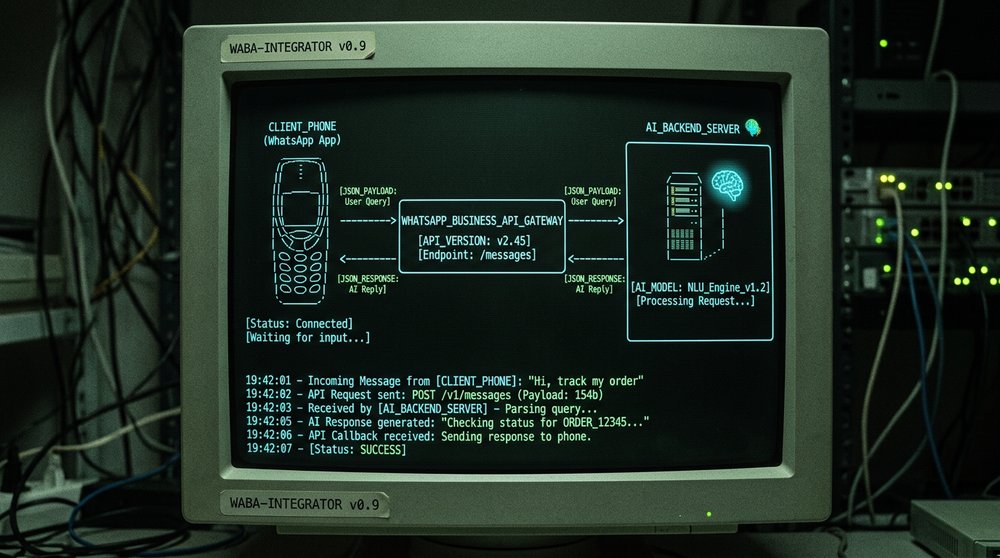
To get the most out of OpenClaw, you will need certain technical prerequisites and specific accounts. Before you dive into the installation, make sure you have everything essential in place.
Minimum system requirements (macOS, Linux, Windows via WSL2)
The technical setup needed to run OpenClaw is fairly accessible. You will need:
- Node.js 24 (recommended) or 22.16+ (strict requirement)
- A compatible operating system: macOS, Linux, or Windows (only via WSL2)
- Memory: at least 2 GB of RAM (4 GB recommended for browser automation features)
- Disk space: about 500 MB for the full installation
Windows users must install WSL2 (Windows Subsystem for Linux), since native Windows mode is not supported.
API keys you will need (Anthropic, OpenAI, Brave)
To power your assistant's intelligence, you will need to obtain:
- An Anthropic API key (recommended) to use Claude, available at console.anthropic.com
- Alternatively, an OpenAI API key for GPT models
- Optionally, a Brave Search API key for web searches (free, available at brave.com/search/api/)
These services run on a pay-as-you-go model, with monthly costs generally between €4.77 and €20 for moderate personal use.
Compatible messaging accounts (WhatsApp, Telegram, Discord)
OpenClaw integrates with several messaging platforms:
- WhatsApp: connect via QR code, similar to WhatsApp Web. Ideally, use a dedicated number (a prepaid SIM or an eSIM)
- Telegram: create a bot via @BotFather, quick and simple
- Discord: requires a bot token and specific permissions (sending messages, reading history)
The technical level required to get started
Although OpenClaw is accessible, a certain technical level is still needed:
- Familiarity with terminal/console commands
- Basic knowledge of how to manage API keys
- An understanding of hosting concepts
The onboarding wizard greatly simplifies the process by guiding you through each step, from configuring the gateway to connecting your messaging channels.
Installing and configuring OpenClaw
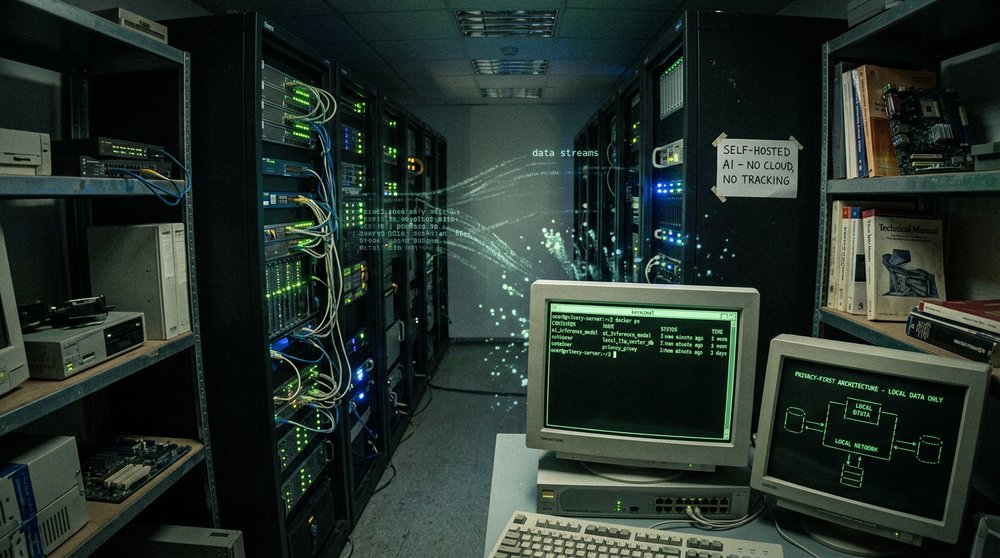
To begin your journey with OpenClaw (formerly Moltbot, previously Clawdbot), you have several installation methods to choose from. Each corresponds to a different level of technical comfort, but all lead to the same result.
Manual installation via npm or Docker
If you prefer to stay in control, manual installation is possible:
Via npm (if Node.js 24 or 22.16+ is already present):
npm install -g openclaw@latest
Via Docker (for a containerized deployment):
git clone https://github.com/openclaw/openclaw.git
cd openclaw
./docker-setup.sh
Launching the onboarding wizard
Once installed, launch the setup wizard:
openclaw onboard --install-daemon
This interactive wizard will guide you through configuring your gateway, your workspace, and your messaging channels.
Choosing your LLM (Claude, GPT, etc.)
During onboarding, you will need to choose your model:
- Anthropic (Claude): recommended for its quality and its resistance to prompt injections
- OpenAI (GPT): an excellent alternative
- Other options: MiniMax, GLM, and Moonshot are also available
You will connect your model either through an API key or via OAuth for Claude Pro/Max subscriptions.
Installing as a background service
Finally, the --install-daemon option sets up OpenClaw as a system service (via launchd on macOS or systemd on Linux), ensuring it starts automatically every time your machine reboots. To confirm that everything is working, use the openclaw status or openclaw health command.
Connecting to platforms and staying secure
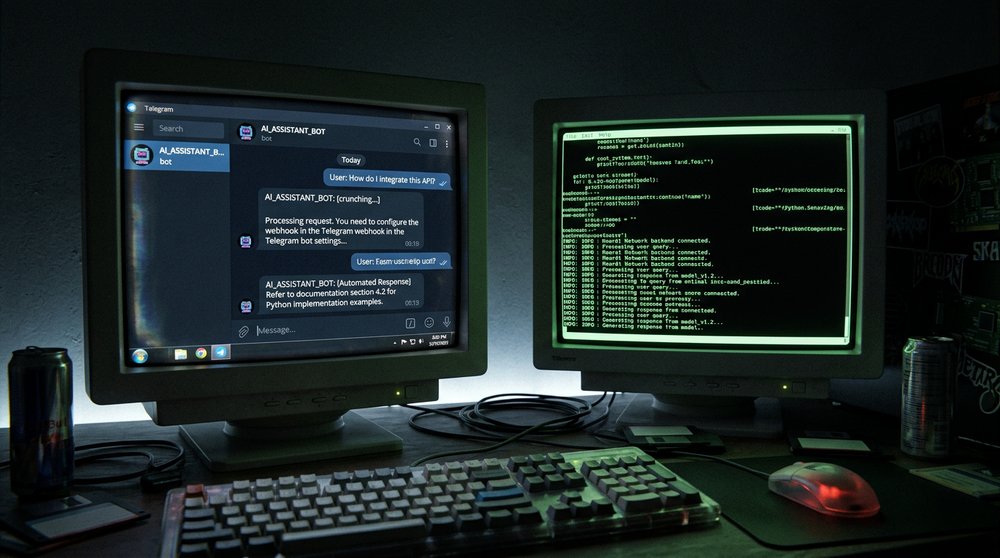
After installing OpenClaw, the next step is to connect it to your favorite messaging platforms. This setup forms the bridge between your AI assistant and your everyday apps.
Connecting to WhatsApp via QR code
To link OpenClaw to WhatsApp, run the openclaw login command in your terminal. A QR code will then appear on screen. Open WhatsApp on your main phone, go to Settings → Linked Devices, and scan the code. Note that WhatsApp Business lets you use up to four devices at once without keeping your main phone connected, with a mandatory reconnection every 14 days.
Creating a Telegram bot with BotFather
For Telegram, the method is different but just as simple. Search for @BotFather in the Telegram app and send the /newbot command. Follow the instructions to name your bot and get an API token. Then paste this token into OpenClaw's onboarding wizard when it asks for it.
Connecting Discord and configuring intents
For Discord, you first need to create a bot through the Discord developer portal. Retrieve the generated token and configure the necessary permissions, in particular sending messages and reading conversation history.
The pairing system and security policies
By default, OpenClaw uses a pairing system to keep you secure. In practice, when an unknown user sends a message, the assistant generates a pairing code that you must approve with the openclaw pairing approve <channel> <code> command. For public direct messages, set dmPolicy="open" and allowFrom=["*"]. Be careful, though: this configuration carries a higher security risk.
Checking the status of the gateway and channels
Once all connections are in place, confirm that everything is working correctly with the openclaw health command. This command displays the status of the gateway, the authentications, and the connections to your various channels. If the message "Health check failed: gateway closed (1006 abnormal closure)" appears, restart your gateway to resolve the issue.
Conclusion
OpenClaw stands out as a remarkable alternative to conventional AI assistants. Its ability to run locally gives you an unmatched level of privacy and control over your data. One of its most appealing aspects is undoubtedly how versatile it is at integrating with the messaging platforms you use every day.
The installation may feel technical at first. Yet, thanks to the intuitive onboarding wizard, you can set up your own assistant in under 30 minutes. The various installation options also adapt to your technical skill level, whether you prefer an automated script or a more customized manual setup.
Security stays at the heart of OpenClaw. The pairing system effectively protects your interactions while letting you control who can communicate with your assistant. On top of that, the option to choose among several LLMs gives you the flexibility to tune your assistant's intelligence to your own preferences and specific needs.
In the end, OpenClaw transforms the AI assistant experience by freeing you from concerns about data privacy. You get to enjoy the advanced capabilities of large language models while keeping full control over your infrastructure. This self-hosted solution marks a significant step forward for anyone who wants to bring AI into their daily life without compromising their privacy or their digital autonomy.
If you want to explore other options, check out our comparison of the best OpenClaw alternatives. And to understand what sets OpenClaw apart from conventional chatbots, read our OpenClaw vs ChatGPT analysis.
Key Takeaways
Here are the essentials for getting the most out of OpenClaw (formerly Moltbot, previously Clawdbot), the self-hosted AI assistant that is reshaping how we interact with artificial intelligence:
• Total control over your data: OpenClaw runs locally on your machine, guaranteeing absolute privacy with no third-party servers • Simplified installation: Deploy your assistant in under 30 minutes thanks to the automated script and the intuitive onboarding wizard • Multi-platform integration: Connect simultaneously to WhatsApp, Telegram, Discord, and other messaging apps via QR code or API tokens • Stronger security: The pairing system protects your interactions by requiring your approval for each new user • Model flexibility: Freely choose between Claude, GPT, or other LLMs to match your specific needs and preferences
This open-source solution reshapes your relationship with AI by combining the power of large language models with complete digital autonomy, ideal for users who care about their privacy.
FAQs
Q1. What is OpenClaw and what are its main advantages?
OpenClaw (formerly Moltbot, previously Clawdbot) is an open-source AI assistant that runs locally on your computer. Its main advantages are total control over your data, integration with multiple messaging platforms, and customization to fit your needs.
Q2. How do I install OpenClaw on my computer?
Installing OpenClaw can be done through an automated script or manually. The simplest method is to use the installation script by running a command in the terminal. An onboarding wizard will then guide you through the setup.
Q3. Which messaging platforms are compatible with OpenClaw?
OpenClaw is compatible with several popular messaging platforms, notably WhatsApp, Telegram, and Discord. Connecting is generally done via a QR code for WhatsApp, a bot created with BotFather for Telegram, and an API token for Discord.
Q4. What are the costs of using OpenClaw?
The costs mainly depend on the language model you choose (such as Anthropic's Claude or OpenAI's GPT) and how much you use it. For moderate personal use, monthly costs generally fall between €5 and €20. You can set limits to keep spending under control.
Q5. How does OpenClaw keep interactions secure?
OpenClaw uses a pairing system to secure interactions. When a new user sends a message, the assistant generates a code that you must approve. You can also configure security policies for direct messages. Regularly checking the system's status is recommended to ensure it keeps running smoothly.