Fast Track: Sam Altman

Sam Altman for early-stage founders: YC's Startup Playbook, the product improvement loop, competitors, risk-taking. Quotes from his writing, with links.

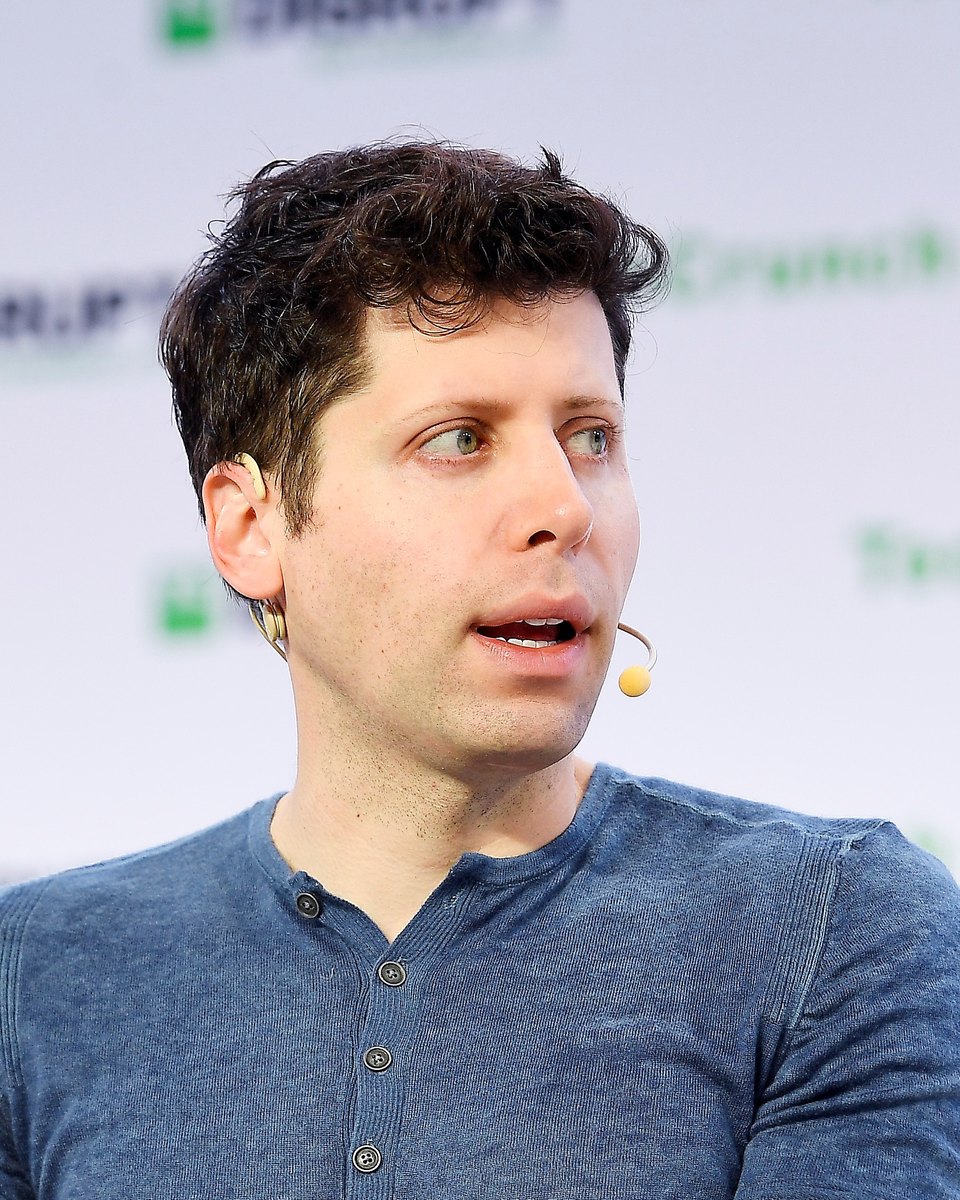
Portrait

Sam Altman in brief

Sam Altman left Stanford in 2005 to found Loopt, a location-sharing app for friends, funded in Y Combinator's first batch. Green Dot bought Loopt in 2012 for $43.4 million.

He ran Y Combinator from 2014 to 2019, co-founded OpenAI in 2015 and became its CEO in 2019. This fast-track draws on what he wrote for founders, mainly the Startup Playbook (2015) and "How To Be Successful" (2019).

  • 2005Loopt, first YC batch
  • 2014president of Y Combinator
  • 2019CEO of OpenAI
Sam Altman
“Your goal as a startup is to make something users love.”
Startup Playbook, 2015

Photo : TechCrunch, CC BY 2.0, cropped

Timeline

From Loopt to OpenAI

  1. 2005

    Loopt

    Leaves Stanford after 2 years and joins Y Combinator's first batch with Loopt.

  2. 2012

    Acquired by Green Dot

    Green Dot buys Loopt for $43.4 million.

  3. 2014

    President of YC

    Succeeds Paul Graham at the head of Y Combinator.

  4. 2015

    OpenAI and the Playbook

    Co-founds OpenAI and publishes the Startup Playbook, a digest of the advice given to YC startups.

  5. 2019

    CEO of OpenAI

    Steps down as YC president and takes over OpenAI, which launches ChatGPT in November 2022.

  6. 2023

    Fired, then back

    In November, OpenAI's board removes him. He returns to the job 5 days later.

Key ideas

5 ideas to apply to your startup

Each idea quotes Sam Altman word for word, with a link to the text. On the right, one action to take in the next 7 days.

01

A product your users love

“If you deceive yourself and think your users love your product when they don't, you will still fail.”

Startup Playbook, part I, 2015

This weekAsk your first 10 users whether they would be very disappointed to lose the product. Under 4 yeses, rework the product before buying acquisition (this is Sean Ellis's 40% threshold).

02

The product improvement loop

“You should talk to your users and watch them use your product, figure out what parts are sub-par, and then make your product better. Then do it again.”

Startup Playbook, part III, 2015

This weekBlock 2 slots a week to watch a user work with the product, without helping. Note every hesitation and fix the 3 most frequent.
03

Your internal problems come before competitors

“Competitors are a startup ghost story. First-time founders think they are what kill 99% of startups. But 99% of startups die from suicide, not murder.”

Startup Playbook, part IV, 2015

This weekReplace Friday's competitor watch with a review of your own risks: cash, team, product. One point per topic, one action each.
04

Look for compounding

“Compounding is magic. Look for it everywhere.”

Post How To Be Successful, January 2019

This weekPrioritize actions that add up: an audience, a product that keeps improving, customers who refer others. A paid campaign stops the day you cut the budget.
05

Take risks early

“Most people overestimate risk and underestimate reward.”

Post How To Be Successful, January 2019

This weekWrite down what you lose if your project fails within 12 months: a few months of salary, some savings. Compare it with what you gain if it works, before giving up.
In practice

4 founder decisions

DecisionPrincipleAction
Marketing budgetMake something users loveDon't buy traffic until your first users recommend the product on their own.
RoadmapProduct improvement enginePrioritize what you saw while watching users over ideas from meetings.
Fear of a competitorSuicide, not murderFix your internal problems first: cash, hiring, product quality.
FundraisingRaise when you need it or on good termsRaise when the need has a number or the terms are good, and keep your frugal habits.
Limits

What to adapt in 2026

Confidence

Self-belief without data

Altman recommends "almost too much self-belief". Without customer feedback, that confidence can keep you 18 months on a product nobody buys. Keep it for the vision and decide on the product with your numbers.

Scale

OpenAI is a special case

OpenAI has raised tens of billions of dollars. His 2015 to 2019 writing recommends frugality to startups: at the pre-seed stage, follow that.

Go further

Recommended reading

Sources

  1. "Your goal as a startup is to make something users love", "If you deceive yourself…", "You should talk to your users…", "Competitors are a startup ghost story…" and the fundraising rule: Startup Playbook, 2015
  2. "Compounding is magic", "Most people overestimate risk…" and "almost too much self-belief": How To Be Successful, January 2019
  3. Loopt, Green Dot, YC presidency, OpenAI and November 2023: Wikipedia, Sam Altman
  4. 40% "very disappointed" threshold: Sean Ellis test, explained in our article on product-market fit

Page updated on September 24, 2026. A quote link no longer works? Tell us through the contact page and we will fix it.